Get Tree Trimming Service in Long Island, NY
Tree trimming services for Long Island property owners address overgrown branches, remove hazardous limbs, shape trees for aesthetics, and maintain healthy growth.
Tree trimming services are essential for maintaining the health and appearance of trees on residential properties in Long Island, NY. Proper trimming helps remove dead or diseased branches, reducing the risk of falling limbs that could cause damage or injury. Additionally, well-maintained trees can improve overall safety by preventing overgrowth that might interfere with power lines, structures, or walkways, ensuring a safer environment for families and visitors.
Beyond safety, tree trimming enhances the functionality and visual appeal of a property. Regular pruning can promote healthier growth, leading to more durable and resilient trees that withstand seasonal stresses. It also helps shape trees to better fit the landscape, boosting curb appeal and making outdoor spaces more inviting. Reduced maintenance needs and improved longevity are common benefits sought by property owners aiming to keep their landscapes attractive and functional.
- Tree Trimming - needed to maintain the health and appearance of trees in residential or commercial landscapes.
- Hazard Tree Removal - required when trees pose a risk to property or safety due to damage or instability.
- Fruit Tree Pruning - essential for orchard owners or homeowners with fruit-bearing trees aiming to improve yield.
- Storm Damage Cleanup - necessary after storms to remove broken or fallen branches that can cause further damage.
- Overgrown Tree Pruning - needed when trees have become too tall or wide, obstructing views or power lines.
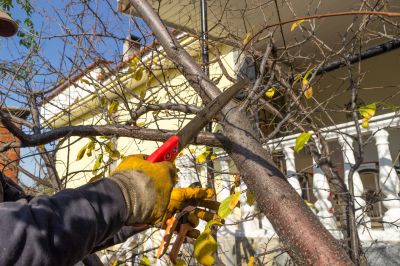
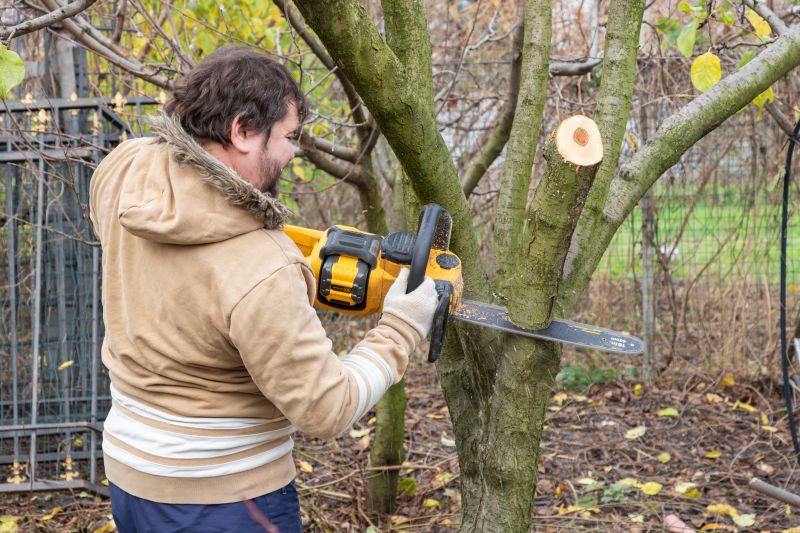
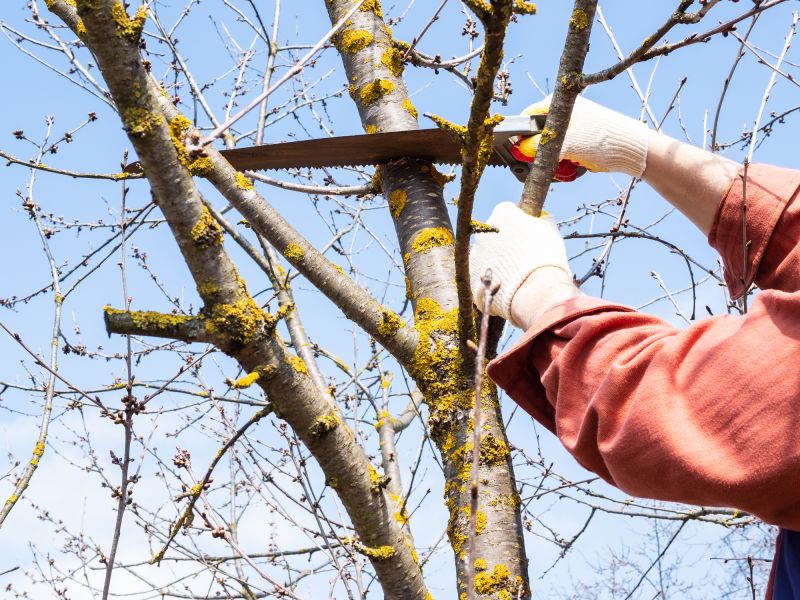
Tree trimming services involve the careful pruning and cutting of trees to maintain their health, shape, and safety. Professionals use specialized tools and techniques to remove dead, diseased, or overgrown branches, which can improve the overall appearance of the property. Proper trimming helps promote healthy growth, prevent branches from becoming too heavy or weak, and ensures that trees do not interfere with power lines, buildings, or other structures.
These services address common problems such as overgrowth that can block sunlight, create hazards, or cause damage to property. Overgrown branches may pose risks during storms or high winds, potentially breaking and falling onto vehicles, walkways, or rooftops. Additionally, poorly maintained trees can become home to pests or diseases that threaten their longevity. Trimming helps mitigate these issues by removing problematic branches before they cause significant damage or safety concerns.
Properties that typically utilize tree trimming services include residential homes, commercial properties, parks, and public spaces. Residential properties often require trimming to enhance curb appeal and ensure safety around driveways, sidewalks, and rooftops. Commercial properties, such as shopping centers or office complexes, may rely on trimming to maintain a professional appearance and prevent tree-related hazards. Public parks and community spaces also benefit from regular tree maintenance to promote safety and aesthetic appeal for visitors and residents.
Professional tree trimming services can help preserve the health and safety of trees across various property types. They are essential for managing overgrown or hazardous branches, preventing property damage, and maintaining the visual appeal of outdoor spaces. Property owners in areas like Long Island, NY, and surrounding regions often seek these services to ensure their trees are properly maintained and safe for everyone. Contacting local service providers can facilitate the necessary care to keep trees healthy and well-shaped.
The overview below groups typical Tree Trimming Service projects into broad ranges so you can see how smaller, mid-sized, and larger jobs often compare in Long Island, NY.
In many markets, a large share of routine jobs stays in the lower and middle ranges, while only a smaller percentage of projects moves into the highest bands when the work is more complex or site conditions are harder than average.
Cost Range - Tree trimming services typically cost between $200 and $800 for standard residential trees, depending on size and complexity. Larger or more complex trees may increase costs beyond this range. Example: trimming a small backyard tree might be around $200, while a large, mature tree could be $1,000 or more.
Factors Influencing Price - The overall cost can vary based on tree height, location, and accessibility. Trees situated near structures or power lines may incur higher fees. On average, professional trimming services charge $75 to $150 per hour.
Service Type Costs - Basic pruning of small trees or shrubs often falls within $150 to $300. More extensive crown thinning or removal of dead branches can range from $300 to $700, depending on scope. Large or hazardous trees may require specialized equipment, increasing the price.
Additional Expenses - Extra charges may apply for stump grinding, debris removal, or emergency services. These can add $100 to $500 to the total cost, depending on the size of the job. Contact local service providers for detailed estimates tailored to specific needs.
Actual totals will depend on details like access to the work area, the scope of the project, and the materials selected, so use these as general starting points rather than exact figures.
Tree pruning involves shaping and removing branches to promote healthy growth and improve the appearance of trees in residential and commercial landscapes.
Emergency tree trimming services address urgent situations such as storm damage or safety hazards caused by falling branches or unstable trees.
Hedge and shrub trimming services focus on maintaining the neatness and health of bushes and smaller greenery that complement larger tree landscapes.
Tree crown thinning helps reduce weight and wind resistance, which can prevent damage during storms and improve overall tree health.
Deadwood removal services target the removal of decayed or dead branches to prevent potential hazards and support tree vitality.
Fruit tree trimming services are tailored to enhance fruit production and maintain the health of fruit-bearing trees in residential gardens.
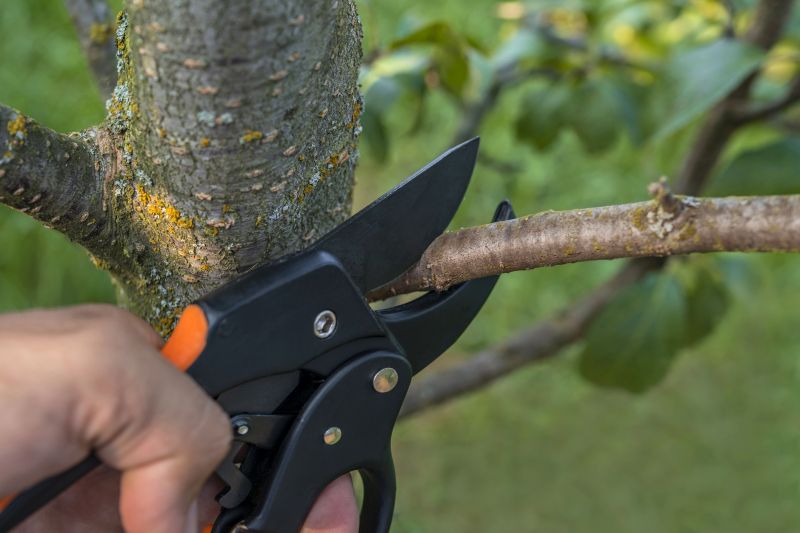
When choosing a tree trimming service, it is important to consider the experience of the local professionals. Established contractors with a history of working in the area often have a better understanding of the unique challenges posed by local tree species and climate conditions. Homeowners should look for service providers who can clearly outline their experience with similar projects, ensuring that the selected pros are knowledgeable and capable of handling the specific needs of their trees and landscape.
Clear communication and well-defined written expectations are essential when working with tree trimming contractors. Reputable local service providers typically provide detailed descriptions of the scope of work, including the methods they plan to use and the areas to be addressed. This transparency helps homeowners understand what to expect and ensures that everyone is aligned on the project goals, reducing misunderstandings or surprises during the process.
Reputable references and reviews from previous clients can offer valuable insights into the reliability and quality of local tree trimming service providers. Homeowners are encouraged to seek out testimonials or ask for contact information of past customers to gauge the contractor’s reputation. Effective communication, along with positive references, can help ensure that the chosen professionals are trustworthy, responsive, and committed to delivering satisfactory results.
Property owners in Long Island, NY use Tree Trimming Service services for practical projects around their homes and businesses. The sections below highlight everyday jobs and straightforward project options.
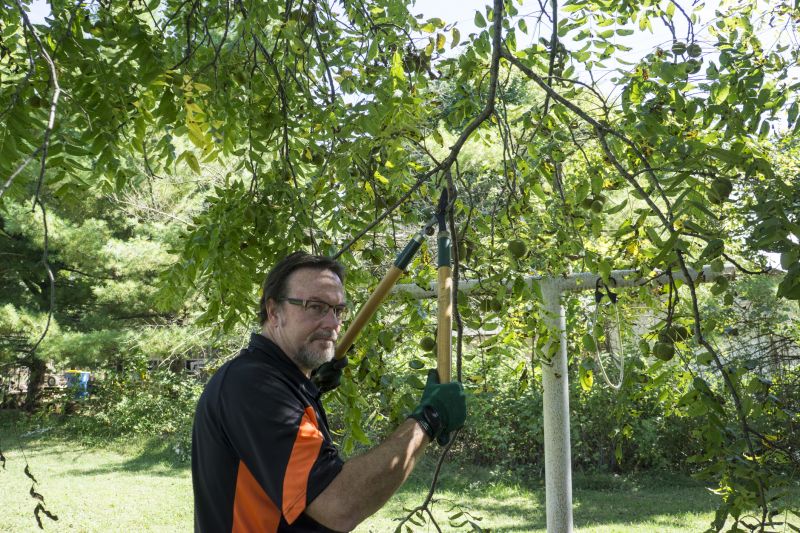
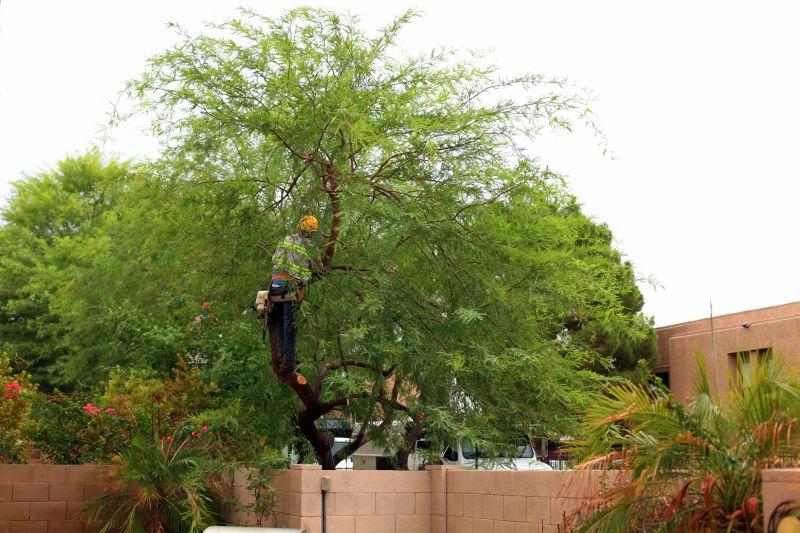
Tree trimming services are often sought by property owners in Long Island, NY to maintain the health and appearance of their trees. Regular trimming can help remove dead or diseased branches, preventing potential hazards and encouraging healthy growth. Homeowners may also pursue tree trimming to improve visibility around their property, enhance curb appeal, or ensure that trees do not interfere with power lines, structures, or pathways.
Additionally, property owners might look for tree trimming services to prepare for seasonal changes or storm seasons, reducing the risk of limb damage during high winds or heavy snowfall. Properly maintained trees can also contribute to the safety of outdoor spaces, making them more enjoyable and accessible. Local service providers can assist with routine maintenance and specific project needs to keep trees safe and healthy.
What is tree trimming? Tree trimming involves removing specific branches or parts of a tree to improve its health, appearance, or safety.
How often should trees be trimmed? The frequency of tree trimming depends on the type of tree and its growth, with many trees needing attention every 1 to 3 years.
Why is tree trimming important? Proper trimming helps maintain the tree's structure, promotes healthy growth, and reduces the risk of falling branches.
What signs indicate a tree needs trimming? Signs include dead or diseased branches, overcrowding, or branches that pose safety hazards.
How can I find local tree trimming professionals? Contact local landscaping or tree care service providers to connect with experienced tree trimming contractors in the area.
Tree Trimming Benefits - Regular trimming helps maintain the health and appearance of trees, reducing the risk of falling branches.
Seasonal Trimming Tips - Understanding the best times for trimming can promote growth and prevent damage during different seasons.
Choosing a Tree Trimming Service - Find experienced local service providers to ensure proper pruning techniques and professional care.
Cost Factors - Tree size, location, and complexity influence trimming costs, which vary depending on the specific service provider.
Considering Tree Trimming Service for a property in Long Island, NY? The sections above highlight common project types, practical options, and details that often shape the scope of work.
When you are ready, use the quote form to share a few details about your project. Local pros can review the basics and respond with options that match what you have in mind.