Hickory Tree Removal in Reno, NV
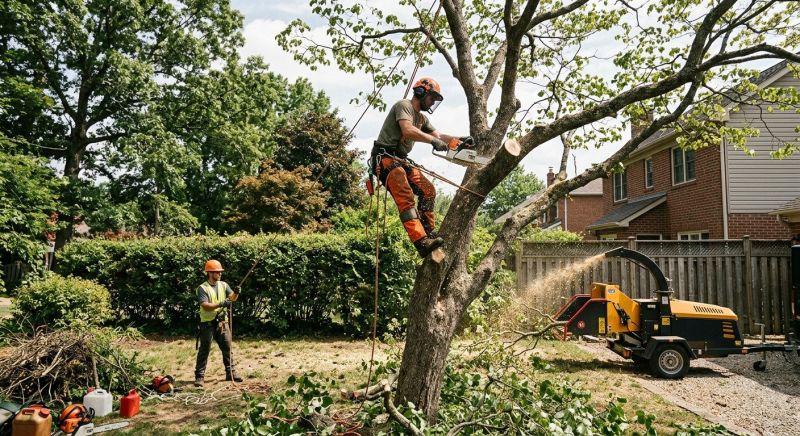
Hickory tree removal services involve the careful and efficient elimination of unwanted or hazardous trees on residential properties. This service covers a variety of projects, including removing dead or diseased trees, clearing space for new construction or landscaping, and managing overgrown or unstable trees that pose safety concerns. Property owners often seek this service to improve the safety and appearance of their outdoor spaces, ensuring that trees are removed in a way that minimizes damage to surrounding landscaping and structures.
Before requesting Hickory tree removal, property owners typically want to understand the scope of the work involved, including the size and location of the trees, as well as any potential impact on nearby structures or utilities. It is also helpful to consider whether permits or approvals are needed for tree removal in the area. Clear communication about these details can help ensure the project proceeds smoothly, with the goal of maintaining safety and aesthetic appeal on the property.
Many property owners in Reno, NV look into Hickory Tree Removal for repairs, replacements, upgrades, and appearance-related improvements.
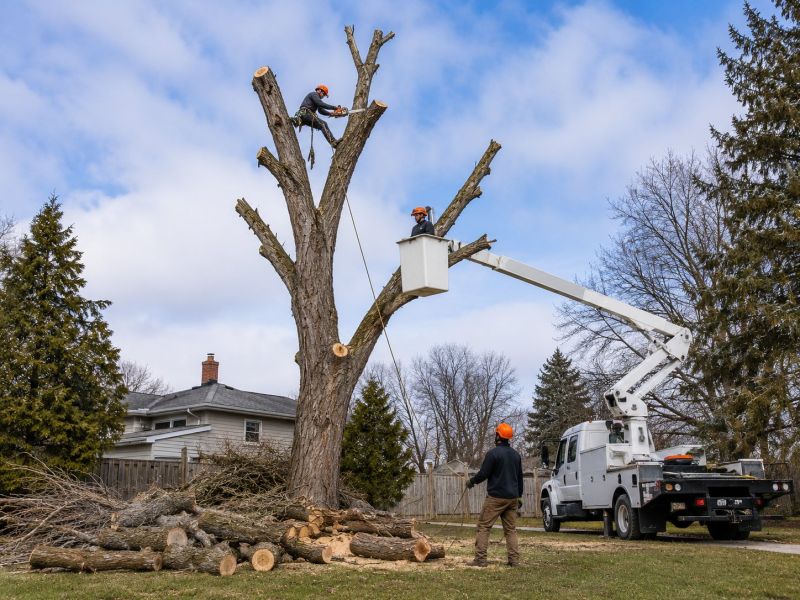
Tree Removal For Safety And Access
Removing hazardous or obstructive trees helps ensure safety and improves property access.
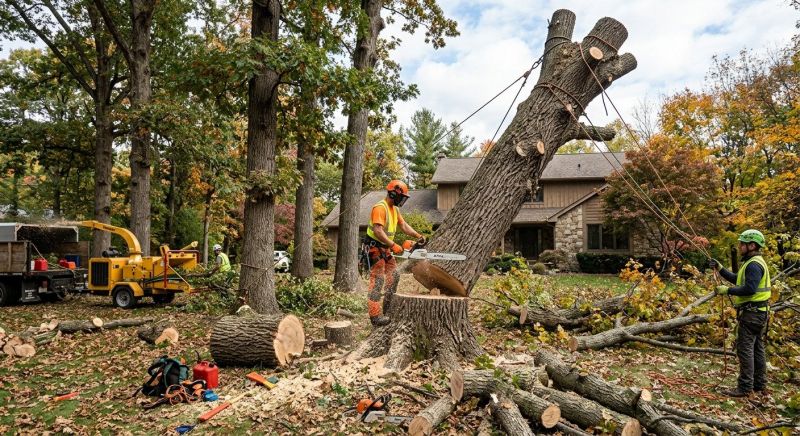
Site Clearing And Land Preparation
Tree removal services prepare land for new construction, landscaping, or other outdoor projects.
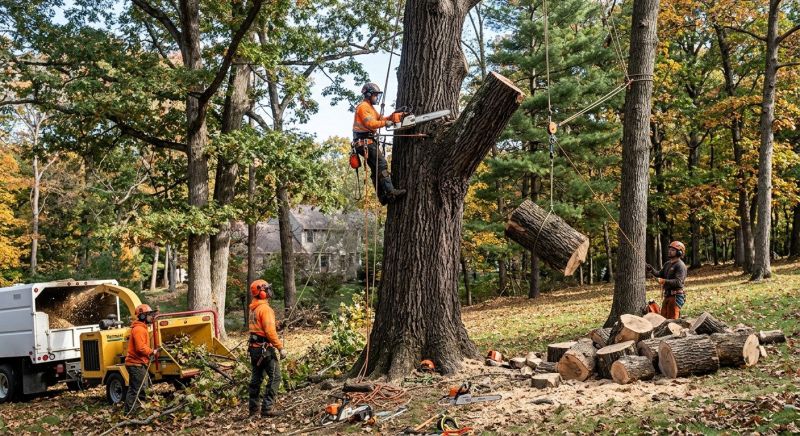
Storm Damage And Emergency Tree Services
Prompt removal of storm-damaged trees prevents further damage and maintains property safety in reno, nv.
Hickory Tree Removal in Reno, NV
Hickory tree removal services involve the careful and efficient elimination of unwanted or hazardous trees on residential properties. This service covers a variety of projects, including removing dead or diseased trees, clearing space for new construction or landscaping, and managing overgrown or unstable trees that pose safety concerns. Property owners often seek this service to improve the safety and appearance of their outdoor spaces, ensuring that trees are removed in a way that minimizes damage to surrounding landscaping and structures.
Before requesting Hickory tree removal, property owners typically want to understand the scope of the work involved, including the size and location of the trees, as well as any potential impact on nearby structures or utilities. It is also helpful to consider whether permits or approvals are needed for tree removal in the area. Clear communication about these details can help ensure the project proceeds smoothly, with the goal of maintaining safety and aesthetic appeal on the property.
Many property owners in Reno, NV look into Hickory Tree Removal for repairs, replacements, upgrades, and appearance-related improvements.
Common Hickory Tree Removal Jobs
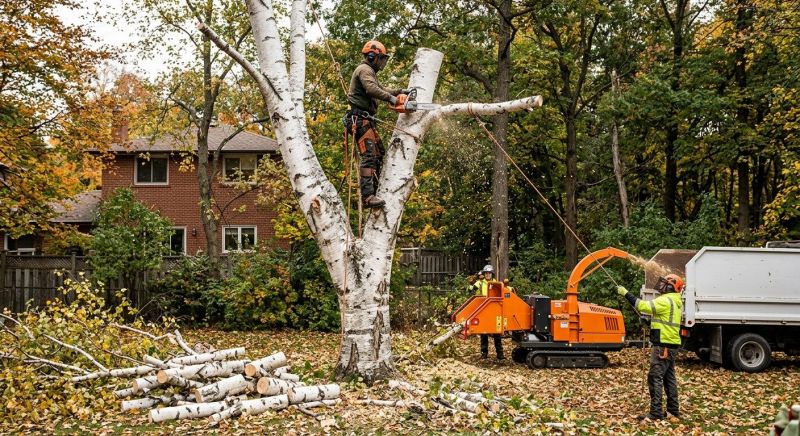
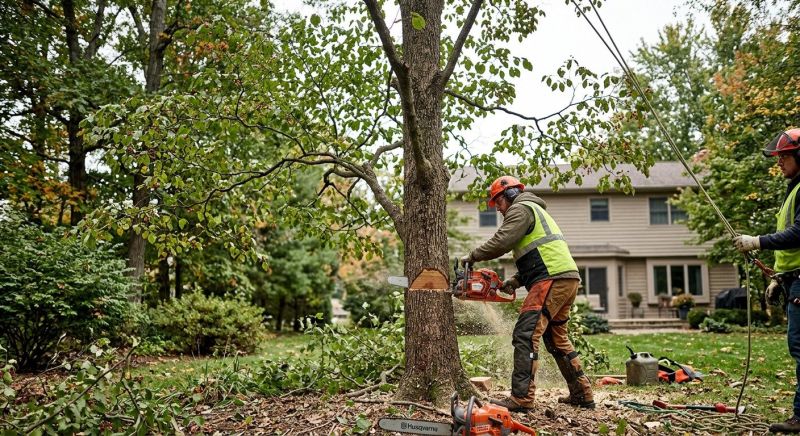
Tree removal - safely eliminates hazardous or unwanted trees from the property.
Stump grinding - clears remaining stumps to improve yard safety and appearance.
Selective pruning - enhances tree health and maintains proper growth.
Emergency tree services - responds to storm damage or fallen trees promptly.
Tree thinning - reduces canopy density to prevent storm damage and improve sunlight.
Hazardous tree assessment - identifies potential risks and recommends removal or treatment options.
Hickory Tree Removal Questions
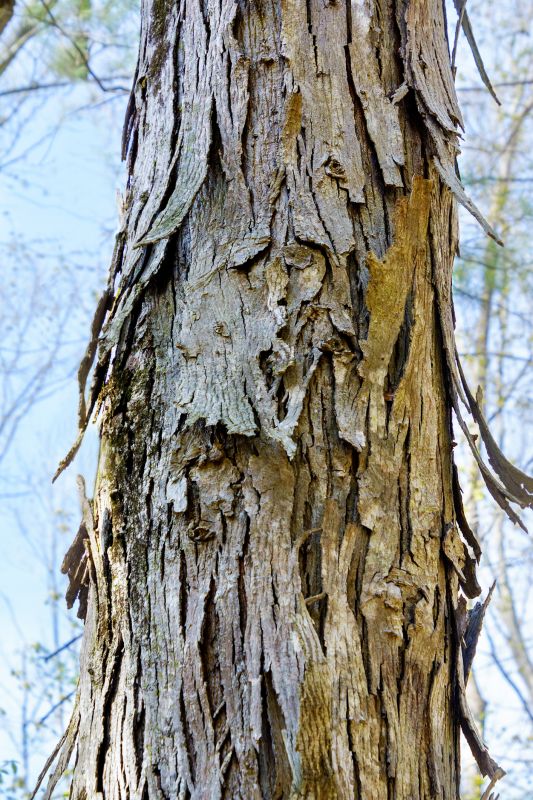
What types of trees can be removed? Hickory tree removal services handle a variety of tree types, including damaged, dead, or hazardous trees on residential properties.
Why remove a hickory tree? Removal may be necessary due to disease, structural instability, or to prevent interference with power lines or structures.
Is the removal process disruptive? The process is managed to minimize disturbance, with careful planning to protect surrounding landscaping and property features.
What happens after a tree is removed? Stumps can be ground down, and debris cleared to restore the landscape and prepare the area for future use or planting.
Request Hickory Tree Removal in Reno, NV
Use the quote form on this page to share the basics of your project and request more information for the type of work you need.